
How to Set Realistic Weekly Goals That Boost Your Productivity
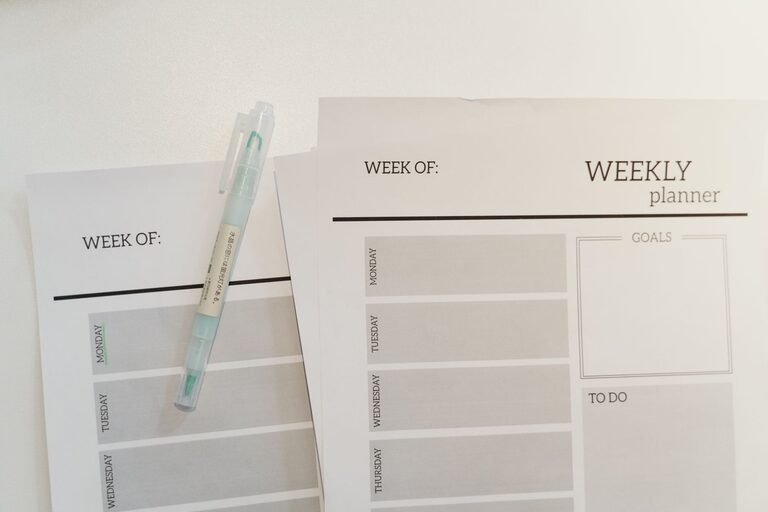
Setting weekly goals is a powerful way to organize your time and make steady progress toward your larger objectives. However, goals that are too ambitious or vague can lead to frustration and burnout. This guide will help you understand how to set realistic weekly goals that are clear, manageable, and motivating.
Why Set Weekly Goals?
Weekly goals break your long-term ambitions into smaller, actionable steps. They provide focus and structure, making it easier to prioritize tasks and measure your progress. Unlike daily goals, which can sometimes feel too short-term, or yearly goals, which may seem overwhelming, weekly goals strike a balance between flexibility and commitment.
Steps to Set Realistic Weekly Goals
1. Reflect on Your Priorities
Before setting your goals, take a moment to review your long-term plans and current priorities. Ask yourself:
– What are the most important projects or tasks right now?
– Which areas of my life or work need attention this week?
– What outcomes will make me feel successful by the end of the week?
Knowing your priorities ensures your goals align with what truly matters to you.
2. Make Your Goals Specific and Clear
Avoid vague statements like “work on project” or “exercise more.” Instead, aim for specific, clear goals such as:
– “Complete the first draft of the marketing report.”
– “Attend three 30-minute workout sessions.”
Specific goals help you understand exactly what needs to be done and make tracking progress easier.
3. Be Realistic About What You Can Accomplish
Consider your available time, energy levels, and other commitments. Setting goals beyond your capacity sets you up for disappointment. To stay realistic:
– Review your calendar and block off time for each task.
– Limit the number of weekly goals to avoid overload.
– Factor in unexpected events or delays.
4. Break Goals into Manageable Tasks
Large goals often feel daunting. Breaking them into smaller, manageable tasks makes them less intimidating. For example, instead of “Write entire blog post,” break it down:
– Research blog topic.
– Draft outline.
– Write introduction.
– Complete main sections.
– Edit and publish.
Completing these smaller tasks builds momentum and shows steady progress.
5. Set Measurable Outcomes
Goals should be measurable so you can clearly track your success. Use numbers, deadlines, or other concrete criteria. For example:
– “Submit 5 job applications by Friday.”
– “Read two chapters of a book.”
Measurable goals help you stay motivated and assess whether adjustments are needed.
6. Prioritize Your Goals
Not all goals have the same level of importance or urgency. Use a priority system to focus on the most impactful tasks first. You can categorize goals as:
– High priority: Must be done this week.
– Medium priority: Important but can wait a few days.
– Low priority: Nice to do if time permits.
This method helps you avoid wasting energy on less important activities.
Tips for Staying on Track
Review Your Goals Daily
Spend a few minutes each morning reviewing your weekly goals and planning your day accordingly. Adjust tasks if necessary — flexibility is key to managing unforeseen challenges.
Use Tools to Organize Your Goals
Consider using planners, calendars, or digital tools like apps to keep your goals visible and organized. Tools can send reminders and help track progress.
Celebrate Small Wins
Recognize and celebrate progress, even if a goal isn’t fully completed. Acknowledging small successes keeps motivation high and builds positive momentum.
Reflect at Week’s End
At the end of the week, evaluate what you accomplished:
– Which goals did you complete?
– What challenges did you face?
– How can you improve goal setting for next week?
Use this reflection to fine-tune your approach and set better goals moving forward.
Common Mistakes to Avoid
– Setting too many goals: This leads to overwhelm and decreased productivity.
– Being vague: Without clear goals, it’s hard to stay focused.
– Ignoring setbacks: Allow room for flexibility rather than getting discouraged.
– Forgetting to prioritize: Time spent on low-impact tasks can waste energy.
Example of Realistic Weekly Goals
Suppose your long-term goal is to improve your physical fitness. Here’s how realistic weekly goals might look:
– Attend 3 fitness classes lasting 45 minutes each.
– Prepare and eat 5 healthy meals at home.
– Walk 10,000 steps daily.
– Track water intake every day.
These targets are specific, measurable, and manageable within a week.
Conclusion
Setting realistic weekly goals is a practical strategy to enhance your productivity and maintain motivation. By reflecting on priorities, making goals specific and achievable, breaking them down, and reviewing regularly, you can turn your ambitions into consistent progress. Remember, the key is balance — aim high but stay grounded in what’s possible for you each week. With practice, setting and achieving weekly goals will become a rewarding habit that supports your personal and professional growth.
Related Post

How to Design a Weekly Reset Routine for a More Balanced Life
Discover simple steps to create a weekly reset routine that helps you recharge, organize, and [...]