
Beginner Guide to Journaling Every Day for Mindful Living
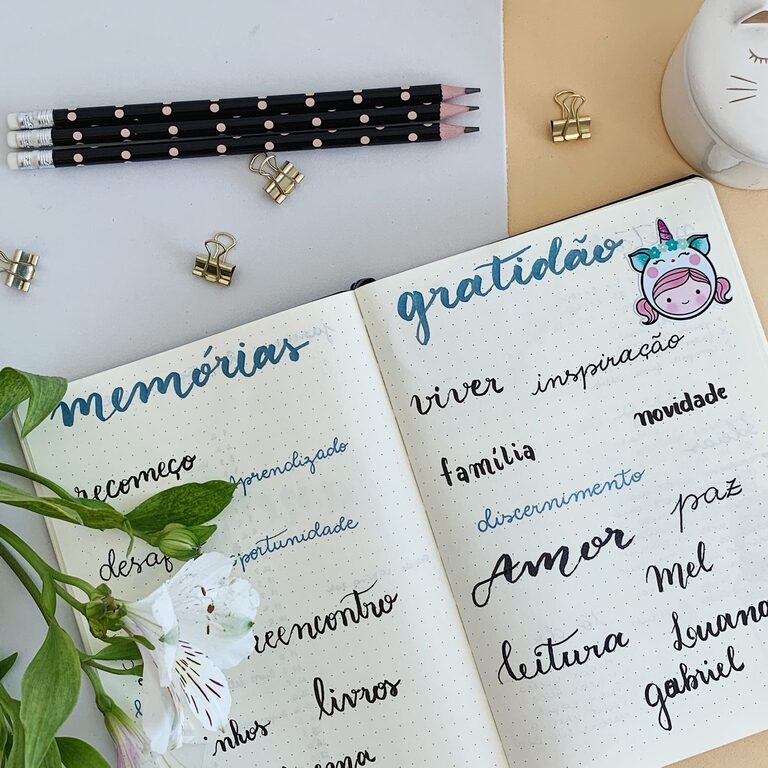
Journaling is a powerful tool that many people use to improve their mental clarity, manage stress, and boost creativity. If you’re new to journaling or have struggled to keep it consistent, this beginner guide will help you build a sustainable daily habit. Writing down your thoughts each day can offer an insightful look into your emotions and experiences, helping you to grow and stay mindful.
Why Journal Every Day?
Journaling daily provides several benefits beyond just capturing memories. It encourages reflection, improves writing skills, and fosters emotional well-being. When done consistently, journaling can help you:
– Understand your feelings and reactions better
– Track progress toward personal goals
– Reduce stress by releasing thoughts on paper
– Spark creativity and problem-solving
– Increase gratitude and mindfulness
Starting with small, manageable sessions makes daily journaling less intimidating and more rewarding over time.
Choosing Your Journaling Tools
You don’t need expensive supplies to begin journaling. Here’s what you might consider:
– Notebook or Journal: Pick a size and style that feels comfortable. Some prefer lined pages; others like blank or dotted.
– Pen or Pencil: Choose a writing instrument you enjoy using.
– Digital Apps: If you prefer typing, apps like Day One or simple text editors work well.
The key is to select tools that invite you to write without friction.
Setting Up a Daily Journaling Habit
Building a routine takes effort but becomes easier with a clear plan.
1. Pick a Consistent Time
Choose a time that fits your schedule, such as morning to set intentions or evening to reflect on the day. Consistency helps cue the habit.
2. Start Small
Begin with just 5 minutes or a few sentences. Setting a low barrier reduces pressure and makes it easier to stick with.
3. Create a Comfortable Space
Find a quiet, cozy spot where you can focus without distractions. Comfort encourages relaxation and openness.
4. Use Prompts to Get Started
If you’re unsure what to write, prompts are great motivators. Here are some ideas:
– What am I grateful for today?
– What challenges did I face and how did I respond?
– What’s one thing I want to improve tomorrow?
– Describe a moment that made you happy recently.
5. Don’t Worry About Perfection
Your journal is for you alone—there’s no need to write perfectly. Spelling, grammar, or neatness don’t matter. The goal is honest expression.
Types of Journaling to Explore
Experiment with various styles until you find what resonates:
– Reflective Journaling: Review your day or emotions.
– Gratitude Journaling: List things you’re thankful for.
– Bullet Journaling: Combine planning and journaling with short entries and symbols.
– Creative Journaling: Include sketches, poems, or collage alongside writing.
– Goal Tracking: Document progress on personal or professional goals.
Mixing styles keeps the practice engaging and personalized.
Tips to Maintain Your Journaling Practice
– Set Reminders: Use phone alarms or calendar alerts to prompt writing time.
– Be Patient: Habits take time to develop; expect ups and downs.
– Review Your Entries: Occasionally read past pages to track growth and patterns.
– Share Selectively: If comfortable, sharing some journal thoughts with a friend can deepen connection.
– Stay Flexible: If daily feels too much, try a few times a week instead.
Overcoming Common Challenges
Many beginners face obstacles such as:
– Writer’s block: Use prompts or write about mundane moments to overcome this.
– Time constraints: Keep sessions brief or journal during transit or breaks.
– Self-judgment: Remember the journal is private and judgment-free.
– Loss of motivation: Revisit your reasons for journaling and adjust your approach.
Final Thoughts
Daily journaling is a rewarding habit that nurtures mindfulness and self-awareness. Starting small, embracing imperfection, and finding what works for you will make it easier to integrate into your life. With patience and practice, journaling can become a meaningful part of your daily routine, helping you navigate life’s challenges and celebrate your progress.
Ready to begin? Grab your journal and pen, and start writing today. Your future self will thank you!