
Essential Tips for Keeping Your Houseplants Healthy and Thriving
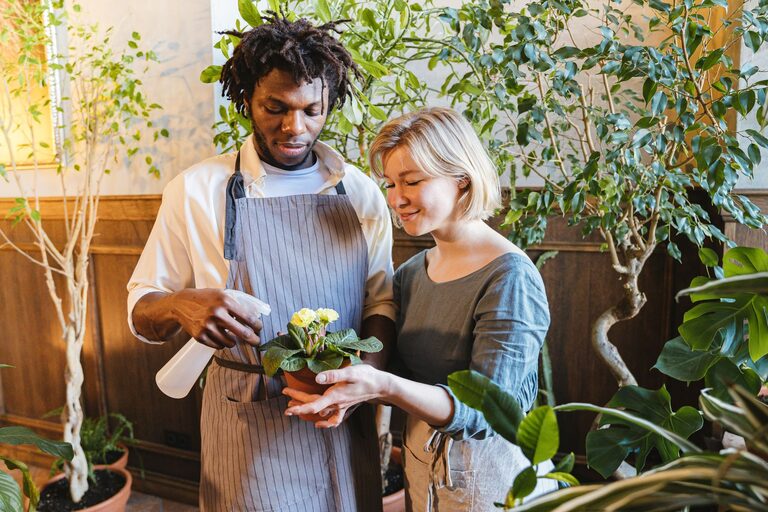
Bringing houseplants into your home is a wonderful way to add natural beauty, improve air quality, and boost your mood. However, keeping these green companions healthy requires a bit of attention and care. Whether you’re a seasoned plant parent or just starting your indoor garden, these tips will help your houseplants thrive.
Understanding Your Houseplant’s Needs
Every plant species has its own preferences, but there are general factors that influence their health:
– Light: Most houseplants need bright, indirect light, but some tolerate low light, while others like direct sunlight.
– Water: The right watering schedule varies greatly based on plant type, pot size, soil, and environment.
– Humidity: Many tropical plants prefer humid environments.
– Soil and Drainage: Good soil and proper drainage prevent root rot and support growth.
– Temperature: Most houseplants thrive in average indoor temperatures between 65°F and 75°F.
Knowing your plant’s specific needs is the first step toward keeping it healthy.
Choosing the Right Location
Assess Lighting Conditions
Place your plant where it will receive the proper amount of light. South- and west-facing windows typically provide bright light, while north-facing windows offer lower light levels. East-facing windows give gentle morning light.
Consider Temperature and Drafts
Avoid placing plants near heating vents, radiators, or drafty windows. Sudden temperature changes can stress plants.
Grouping Plants for Humidity
Creating clusters of plants can increase local humidity, which benefits moisture-loving species like ferns and calatheas.
Proper Watering Techniques
Check Before You Water
Instead of sticking to a rigid schedule, check the top inch of soil. If it feels dry, it’s usually time to water.
Water Thoroughly
When watering, soak the soil until water drains from the bottom of the pot. This ensures roots receive adequate moisture.
Avoid Watering Mistakes
– Do not let plants sit in standing water to prevent root rot.
– Reduce watering in winter when plants generally grow slower.
– Use room-temperature water to avoid shocking roots.
Choosing the Right Soil and Pot
Use Quality Potting Mix
Houseplants generally prefer airy, well-draining soil. Specialized mixes are available for succulents, orchids, and other specific plant types.
Ensure Proper Drainage
Pots with drainage holes help avoid water accumulation. If decorative pots lack holes, consider placing the plant in a smaller pot inside the decorative one.
Feeding Your Plants
Fertilize Appropriately
Most houseplants benefit from monthly fertilization during the growing season (spring and summer). Use balanced, water-soluble fertilizers as per package instructions.
Avoid Overfeeding
Too much fertilizer can burn roots and harm plants. When in doubt, use less rather than more.
Monitoring and Preventing Pests and Diseases
Regular Inspections
Check leaves and stems weekly for signs of pests like spider mites, aphids, or scale.
Natural Remedies
For minor infestations, wipe leaves with a damp cloth or use insecticidal soap. Isolate affected plants to avoid spreading.
Good Hygiene Practices
Remove dead leaves and debris from soil surface to prevent fungal growth and pests.
Pruning and Repotting
Prune to Encourage Growth
Trim yellowing or damaged leaves to promote healthy new growth and maintain plant shape.
Repot When Root-Bound
If roots are circling the pot or growing out of drainage holes, it’s time to repot into a slightly larger container with fresh soil.
Maintaining Proper Humidity
Increase Humidity
Use a humidifier, place plants on a pebble tray with water, or group plants together to raise humidity levels.
Mist Leaves Cautiously
Misting can help but should be done gently and not too frequently to avoid fungal diseases.
Final Thoughts
With a bit of attention and care, your houseplants can remain vibrant and healthy for years. Remember, plants are living organisms that respond to their environment, so observing their condition and adjusting care routines is key. Enjoy the process of nurturing your indoor garden—it’s both rewarding and relaxing!
Happy planting!