
How to Choose a Notebook You’ll Actually Use Every Day
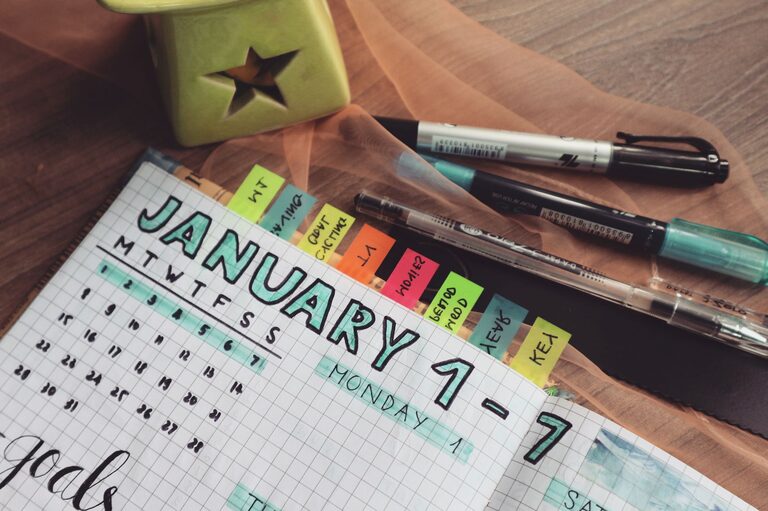
Choosing the right notebook might seem simple at first glance, but finding one you’ll actually use regularly takes a bit more thought. Whether you want to jot down ideas, keep a daily journal, track your goals, or organize work tasks, the right notebook can make a big difference in your motivation and productivity.
In this post, we’ll explore how to pick a notebook that suits your style, your needs, and your routine. From size and paper type to cover design and binding, these tips will guide you toward a notebook that’s enjoyable and practical to use.
Why Choosing the Right Notebook Matters
A notebook isn’t just a stack of paper – it can be a tool to boost creativity, keep you organized, and help you achieve your goals. On the other hand, a poorly chosen notebook might sit unused on a shelf, which is a waste of money and potential.
Finding a notebook that matches how and where you plan to write makes it easier to build a consistent habit. When your notebook feels approachable and convenient, you’ll be more likely to use it daily.
Step 1: Consider Your Intended Use
Start by thinking about what you want to do with your notebook. Different purposes call for different features.
Common Uses and Recommended Notebook Types
– Journaling or personal writing: Look for a notebook with good-quality, smooth paper that’s pleasant to write on. A size that’s comfortable to carry and a cover design you like can motivate you to write more.
– Work notes or meetings: A notebook with sections or numbered pages can help keep you organized. Durable binding and a sturdy cover are key for frequent daily use.
– Creative sketching or bullet journaling: Thick, unlined or dot-grid paper supports both writing and drawing. Spiral-bound notebooks lay flat, which is great for creativity.
– Travel or on-the-go notes: Compact, lightweight notebooks fit easily into bags or pockets. A durable cover protects your notes while traveling.
Step 2: Choose the Right Size
Notebook sizes vary widely. Here are some popular options:
– Pocket-sized (3.5” x 5.5” or smaller): Ultra-portable but limited space per page. Great for quick notes or on-the-go lists.
– A5 (5.8” x 8.3”): The sweet spot for many people. Portable yet enough room for detailed notes or sketches.
– A4 or letter size (8.3” x 11.7” / 8.5” x 11”): Large format ideal for extensive writing, detailed projects, or sharing notes.
Choose a size that matches your lifestyle — if you carry it daily, you might prefer something lightweight and compact.
Step 3: Pick the Paper Type and Quality
The feel of the paper affects how much you enjoy writing.
– Paper weight: Measured in GSM (grams per square meter). Thicker paper (80gsm or higher) prevents ink from bleeding through and feels more substantial.
– Paper texture: Smooth paper is great for fine liners and fountain pens; textured paper suits pencils and charcoal.
– Ruling styles:
– Lined: Classic for writing and note-taking.
– Grid or dot grid: Offers structure for planning or bullet journaling without being intrusive.
– Blank: Perfect for sketches, diagrams, or freeform notes.
Think about what pens or pencils you’ll use to ensure the paper complements your tools.
Step 4: Decide on Binding and Cover
Binding Options
– Spiral-bound: Lays flat and allows easy page turning. Good for sketchbooks or journals that stay open.
– Sewn or stitched: Durable and elegant, these notebooks open flat but often can’t fold back completely.
– Glue-bound (perfect binding): Resembles a book; pages might not lay flat but notebooks look sleek.
– Disc-bound: Offers flexibility to add, remove, or rearrange pages but can be more expensive.
Cover Materials
– Hardcover: Protects pages better and offers a sturdy writing surface.
– Softcover: Flexible and lightweight, easier to carry around.
– Leather or faux leather: Durable with a classic look, great for professional settings.
– Cardstock or fabric: Often more affordable with a variety of designs.
Choose a cover you’ll want to look at and handle every day.
Step 5: Look for Extra Features That Suit You
Some notebooks come with extras that can enhance your experience:
– Built-in bookmarks: Help you quickly find important pages.
– Elastic closures: Keep your notebook securely shut in your bag.
– Pen loops: Convenient to have your writing instrument attached.
– Pocket folders: Perfect for keeping receipts, stickers, or notes.
– Numbered pages or indexes: Useful for organization and referencing.
While not necessary, these little touches can make your notebook more user-friendly.
Step 6: Set a Realistic Budget
Notebooks range from a couple of dollars to premium luxury versions. Decide how much you want to spend and look for the best quality within your price range. Sometimes paying a bit more encourages you to treat the notebook with care and use it often.
Tips to Build a Habit of Using Your Notebook
– Keep it visible and easily accessible.
– Dedicate a few minutes each day or week to write or plan.
– Personalize your notebook with stickers, washi tape, or notes.
– Use it for a specific purpose so it doesn’t feel overwhelming.
Final Thoughts
Choosing a notebook that you’ll actually use is about more than just price or brand. It’s about finding a size, style, and paper that fit your needs and your personality. When your notebook feels like a helpful companion rather than a chore, you’re more likely to turn to it regularly.
Next time you’re shopping, take a moment to think through these choices. Your perfect notebook is out there — happy hunting!
Related Post

Simple Ways to Organize Your Entryway for a Clutter-Free Home
Discover easy and practical tips to organize your entryway, creating a welcoming and clutter-free space [...]

How to Store Seasonal Clothes Efficiently: Practical Tips for Every Home
Learn how to store your seasonal clothes efficiently with easy tips to save space, protect [...]